







How Herbal Drinks Evolved From Ancient Traditions to Modern Wellness Rituals
Open your spice drawer, and you are looking at ingredients people have been drinking for centuries.
Ginger. Cardamom. Clove. Star anise. Bitter roots. Flowers. Berries.
Long before we had coffee shops, supplement aisles, or bottled “functional beverages,” people were already steeping, grinding, brewing, and extracting plants into drinks.
Sometimes they were part of religious or cultural rituals. Sometimes they were consumed for health benefits or simply for pleasure.
This is the history of herbal drinks.
What Are Herbal Drinks?
Herbal drinks are beverages made from plants, such as roots, bark, seeds, leaves, flowers, and fruit. The family includes herbal teas, infusions, herbal tonics, bitters, and botanical drinks.
What ties these herbal beverages together is purpose. Most were created to do two things at once: taste good and help people feel good. That combination of pleasure and purpose is still what makes herbal drinks interesting today.
Where Herbal Drinks Began: Ancient Traditions Around the World
Cultures all over the world developed plant-based drinks using whatever grew around them.
But surprisingly similar ideas keep appearing: bitterness around meals, warming spices, combinations of multiple plants, and drinks built into daily life rather than saved for special occasions.
In China, Tea and Goji Berries Go Back Thousands of Years
Tea is probably the most famous botanical drink in the world. There is an old legend that tea was discovered when leaves accidentally fell into the boiling water of the Chinese emperor Shennong.
What's interesting is how different plants behave together. Several plants were often used together rather than one ingredient being expected to do everything. That idea of formulation is still central to botanical drinks today.
In India, Ayurveda Made Spiced Drinks a Daily Ritual
Ayurveda, India's traditional system of well-being, is built around balance. Warm drinks made with ginger, cardamom, and other spices have long been part of daily life, often sipped around meals to support digestion. Our look at Ayurveda and modern detox drinks explores this further.
There was rarely a strict separation between “medicine” and “food” in the way many of us think about them today.
In Indonesia, Jamu Has Thrived for Over 1,000 Years
On the Indonesian island of Java, people have been making jamu since at least the 8th century. Carvings on the Borobudur temple show people grinding herbs and selling drinks.
Jamu is not one single recipe. It is a culture of herbal preparations made from plants and spices, often using ingredients such as turmeric, ginger, tamarind, roots, bark, and leaves for immunity and digestive wellness.
Jamu sellers still walk the streets today, and in 2023, UNESCO recognized Jamu wellness culture as part of the world's cultural heritage. You can read more about the origins of Asian tonic drinks on our blog.
In Mexico and Central America, Cacao Was a Sacred Drink
More than 3,000 years ago, people in what is now Mexico and Central America were already drinking cacao. The Maya and Aztecs made it bitter, frothy, and often spiced, nothing like today's sweet hot chocolate. They served it at ceremonies and treasured it as a gift.
Around the Mediterranean, Bitter Herbs Were Steeped in Wine
Ancient Greeks and Romans steeped bitter herbs like wormwood in wine. Gentian root even takes its name from Gentius, an ancient king said to have discovered its benefits. These bitter brews laid the groundwork for Europe's later apéritifs and digestifs.


How Herbal Drinks Traveled and Changed
Herbal drinks did not stay in one place. As people traded, explored, and settled new lands, the plants and recipes traveled with them:
-
The spice routes carried ginger, clove, cardamom, and star anise from Asia to the Middle East and Europe.
-
Medieval monasteries in Europe grew herb gardens and crafted herbal liqueurs and tonics.
-
In late 18th-century Italy, makers created modern vermouth, a wine flavored with botanicals. Its name comes from Wermut, the German word for wormwood.
-
19th-century pharmacies sold bitters and tonics as remedies, and many later found their way into bars.
Over time, many herbal drinks were mixed with alcohol and sugar. The botanicals never left, though. They were simply waiting to take center stage in health and wellness again.
What Ancient Herbal Traditions Got Right
Look past the centuries, and a few simple ideas show up in almost every tradition. They are just as useful today:
-
Bitter belongs with food: Many cultures enjoyed bitter botanicals before or after a meal as a digestive ritual.
-
Plants work best together: Traditional recipes blended many herbs, spices, and fruits for flavor and balance.
-
Daily rhythm matters: Herbal drinks were part of everyday life, not saved for special occasions.
-
Health and pleasure go hand in hand: The best drinks were made to be enjoyed, not just endured.
These ideas are the quiet thread connecting an ancient jamu seller to a modern evening ritual.
How Modern Herbal Drinks Carry the Tradition Forward
Today, herbal drinks are enjoying a beautiful revival. More people want rich flavor with less sugar and drinks that fit a daily wellness routine. Modern herbal drinks answer that call by pairing old wisdom with new methods.
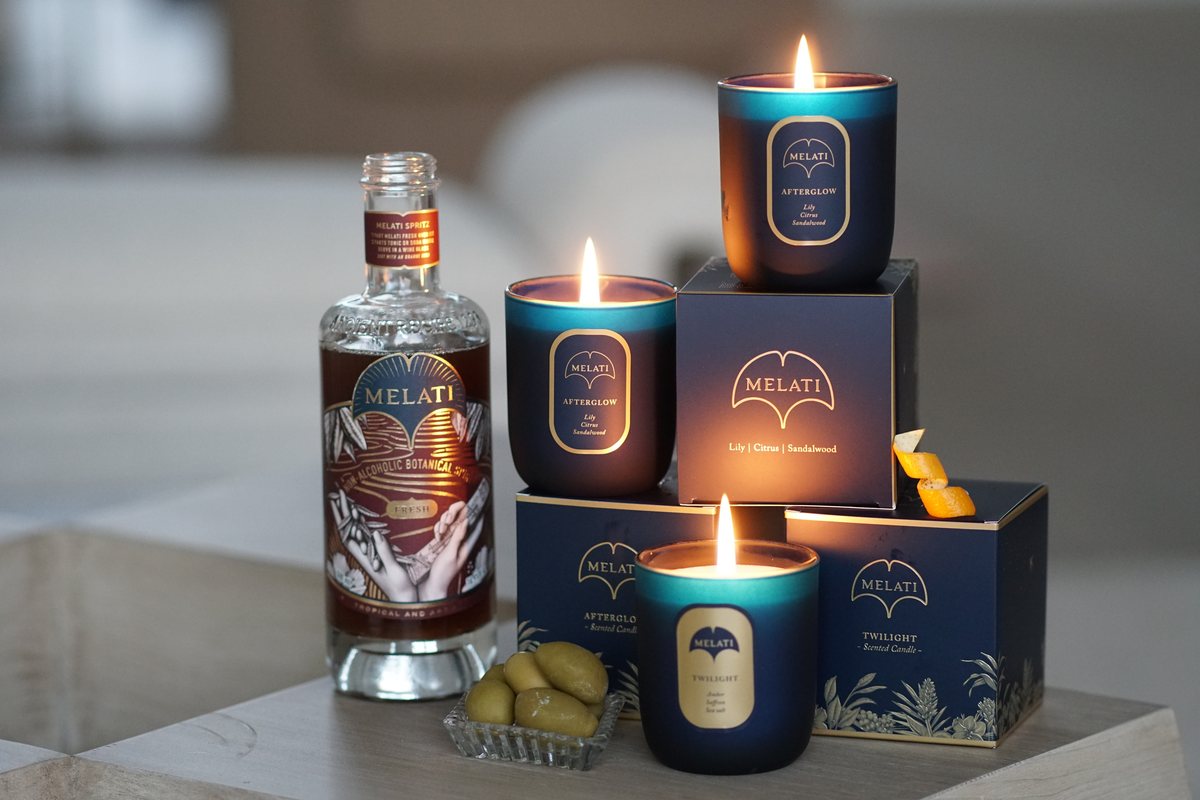
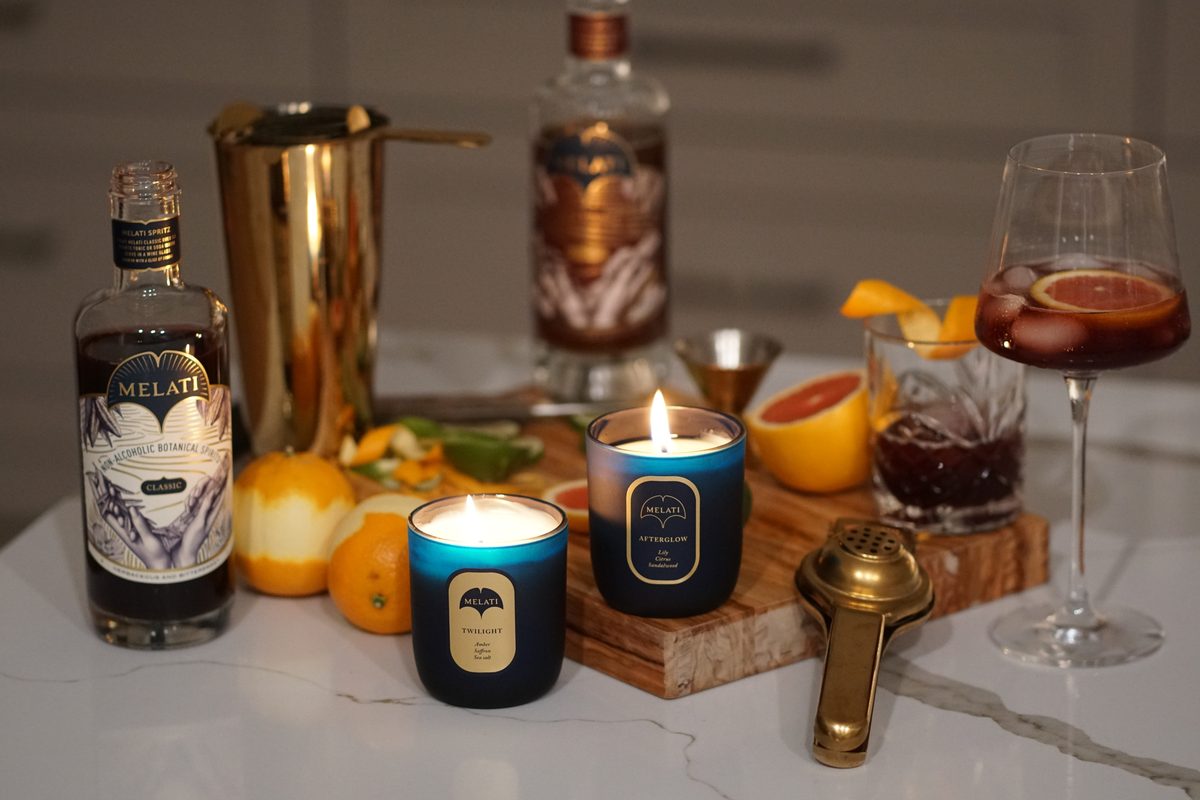
Melati is a proud example. Formulated by an Ayurvedic specialist, it uses botanical ingredients found throughout these ancient traditions, including wormwood, gentian, ginger, goji, and cardamom. The plants are steeped in water for up to six weeks, then cold-extracted to preserve their nutrition and flavor. Every batch is third-party lab-tested. No preservatives are added.
Melati Classic brings red fruits, bitter roots, and warm spices, including cacao. Melati Fresh offers tropical fruit and fresh herbs. Both turn an ancient idea into a premium evening ritual with no added sugar. You can meet every plant on our ingredients page.
FAQs
What is the difference between herbal drinks and herbal tonics?
All herbal tonics are herbal drinks, but not all herbal drinks are tonics. A tonic is made with a clear wellness purpose and is usually enjoyed regularly as part of a routine.
Are ancient herbal remedies still used today?
Yes. Millions of people still follow these traditions every day, and their botanicals now appear in plant-based beverages worldwide.
Are herbal drinks always caffeine-free?
Not always. Pure herbal infusions, like hibiscus, contain no caffeine, but blends with tea leaves can. The label will tell you.
Is Melati alcohol-free?
Yes. Melati contains 0% alcohol, so you can enjoy the ritual with a clear mind.
Bring an Ancient Herbal Tradition Into Your Evening With Melati
Herbal drinks have come a long way, from temple carvings in Java and ceremonies in Mesoamerica to kitchen tables around the world. Through every change, the heart of the tradition stayed the same: plants, flavor, and a moment of care.
Melati carries that story forward in every glass. Crafted for health and sipped for pleasure, it turns centuries of botanical wisdom into a ritual you can enjoy tonight.
Explore the Melati Collection and taste how two botanical blends bring ancient herbal traditions to life.