






Why Whiskey Drinkers Are Switching to Melati: A Non-Alcoholic Whiskey Alternative
The appeal of whiskey often begins before the first sip. There is the weight of the glass, the scent of spice, and the quiet signal that the evening has slowed down. More people want to keep that ritual without drinking alcohol.
A non-alcoholic whiskey alternative can bring dark flavor, warmth, and a more clear-minded finish. In this blog, we’ll explore how these drinks are made, what they truly taste like, why people are switching, and why a layered botanical drink may sometimes offer more satisfaction than a direct whiskey copy.
What Is a Non-Alcoholic Whiskey Alternative?
A non-alcoholic whiskey alternative is a drink designed for occasions when someone might otherwise pour a dark spirit.
Some products try to recreate recognizable whiskey notes such as:
- Oak
- Smoke
- Vanilla
- Caramel
- Toasted grain
- Pepper
- Warming spice
Others do not attempt to imitate whiskey note for note. Instead, they use botanicals, tea, cacao, fruit, spice, tannin, and bitterness to create the darker, more contemplative experience people often want from an evening spirit.
This second category may be better described as a non-alcoholic dark-spirit alternative. It fills the same role in the evening without pretending to be traditional whiskey.
Is Non-Alcoholic the Same as Alcohol-Free?
Not always.
In certain regulated beverage categories in the United States, products described as non-alcoholic may contain less than 0.5% alcohol by volume.
“Alcohol-free” is generally reserved for products containing no detectable alcohol within the relevant labeling framework. Because terminology and regulations can vary by beverage category, checking the stated ABV on the bottle is the safest approach when complete avoidance matters.
Melati is made with 0% alcohol.
How Non-Alcoholic Whiskey Alternatives Create Dark-Spirit Character
Alcohol contributes more than intoxication to whiskey. It carries aroma, creates warmth, adds weight, and helps flavors linger after the sip.
Remove the alcohol and producers need to rebuild those qualities through other ingredients and techniques.
Some Begin With an Alcoholic Spirit
Certain alternatives start with a traditionally fermented or distilled alcoholic base. The alcohol is then reduced or removed through methods such as controlled distillation.
This approach may preserve some of the aroma and character of the original spirit, although removing alcohol also changes the drink’s body and finish.
Others Are Built From Botanicals
Other drinks never begin as whiskey at all. They create depth through botanical extraction, distillation, infusion, or blending.
Different ingredients can perform different jobs:
- Tea and tannins create grip and dryness.
- Ginger and spice create warmth.
- Cacao and roasted ingredients contribute darker notes.
- Bitter botanicals extend the finish.
- Fruit and flowers add acidity and aroma.
The most convincing drinks do not rely on sweetness alone. They use contrast and structure to make the glass unfold gradually.
Does This Give Me The Depth and Ritual I Wanted From Whiskey?
Zero-proof whiskey will not taste exactly like a full-strength pour. The body is often lighter. The finish may fade sooner, and the familiar warmth of alcohol may be softer or missing.
The best bottles still offer depth. Look for gentle bitterness, spice, aroma, and only enough sweetness to round the edges. Some are made for slow sipping. Others open up with ice, soda, citrus, or a dash of bitters.
Direct whiskey copies can sometimes feel thin or too sweet. A more balanced bottle gives you something darker, drier, and more satisfying to return to.
5 Reasons People Are Switching to Non-Alcoholic Whiskey Alternatives

People are changing what they pour without giving up the evening around it. A non-alcoholic whiskey alternative can still offer aroma, depth, and a reason to slow down. It simply gives the drinker more choice over how much alcohol belongs in the moment.
1. They Want to Keep the Evening Ritual
A proper evening pour marks a transition. The workday is finished, the pace changes, and the drink becomes something to return to slowly.
A complex non-alcoholic dark spirit can preserve the glassware, garnish, aroma, and ceremony without requiring alcohol.
This matters because many people do not miss only the taste when they drink less. They miss the moment built around it.
2. They Want More Control Over How Much They Drink
Moderation does not need to follow an all-or-nothing rule.
A non-alcoholic option can work on a weeknight, between alcoholic drinks at dinner, during a longer break, or as the final drink of the evening. Some people avoid alcohol completely, while others simply want more choice.
Having something complex available makes the decision easier because the alternative still feels appropriate for the occasion.
3. They Want to Notice How Drinking Less Feels
Some people are curious about what may change when they drink less. They may pay closer attention to sleep, energy, calories, or how they feel the next morning.
A break can help people assess their drinking patterns. Experiences differ, so it is worth noticing how your own body responds over time.
4. They Want Fewer Calories in Their Evening Pour
A typical glass of whiskey commonly contains around 97-150 calories, while cocktails may contain more depending on added ingredients.
One serving of Melati contains approximately 10-15 calories, depending on the expression.
That allows someone to enjoy a complex, adult drink for a fraction of the calories found in many alcoholic serves.
5. Alcohol-Free Drinking Has Become a Choice
The alcohol-free shelf once meant soda, juice, or a sweet mocktail.
Today, bitterness, smoke, tea, spice, tannin, herbs, and roasted ingredients give drinkers far more sophisticated choices. These products can pair with food, sit comfortably in proper glassware, and offer flavors that change as the drink opens.
The switch feels easier when the alternative still belongs at the table.
Where a Zero-Proof Whiskey Alternative Works Best
The best way to serve zero-proof whiskey depends on how much body the bottle has:
- Fuller styles can work well over ice or in an Old Fashioned-style drink.
- Lighter bottles often taste better with soda, ginger ale, or fresh citrus.
You can also use them in a sour or highball. A strip of orange peel, a dash of bitters, or a little spice may bring more shape to the glass. Add sweetener with care. Before judging a bottle neat, try the serving style suggested on the label.
When Botanical Depth Matters More Than a Perfect Whiskey Match

Some people do not miss bourbon itself as much as they miss what surrounds it:
- The bitterness
- The warmth
- The dark fruit
- The aroma
- The weight of the occasion
- The slower pace of the sip
A direct whiskey imitation can disappoint when it feels watery, overly sweet, or dependent on mixers. In that case, a darker botanical drink may be the more satisfying choice.
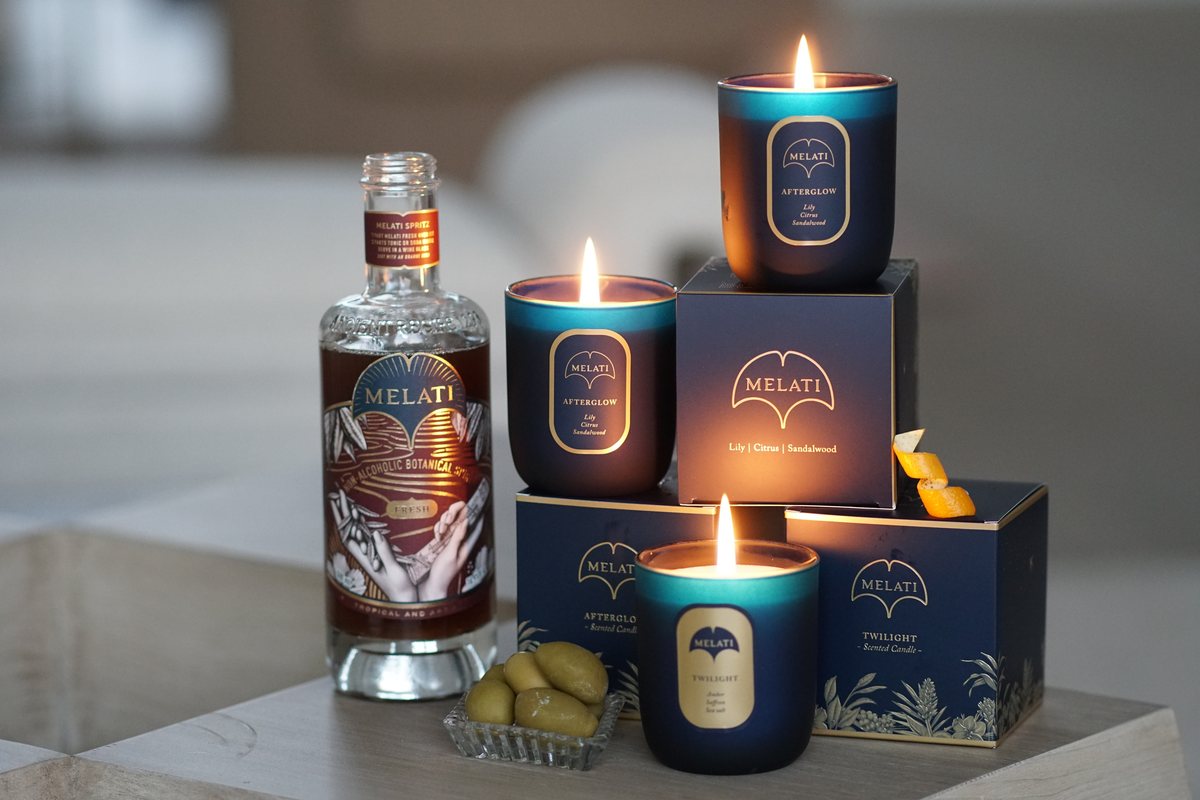
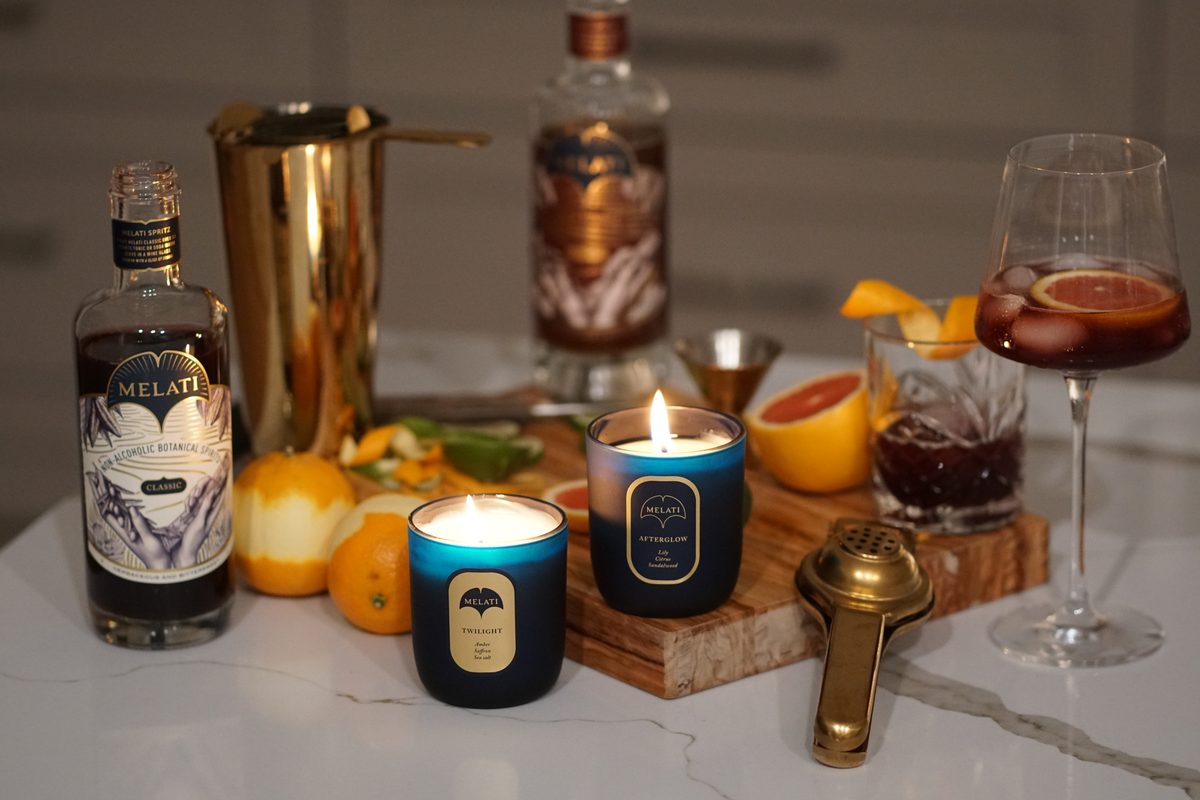
Melati Classic does not attempt to imitate whiskey exactly. It is a non-alcoholic botanical alternative for occasions that might otherwise call for whiskey, rum, red wine, or an amaro.
Its complexity comes from plants rather than recreated whiskey flavor.
Inside Melati Classic’s Dark Botanical Profile
Melati combines 21 plants across the collection. In Classic, bitter botanicals, darker fruits, tea, cacao, warming spices, and aromatic herbs create a rich, bittersweet expression.
Bitter Botanicals Create a Dry Finish
Melati includes botanicals such as:
- Gentian
- Wormwood
- Quassia
- Bitter orange peel
These plants give the drink structure and help prevent the profile from becoming juice-like or overly sweet.
Their lingering bitterness plays a similar sensory role to the dry finish people often appreciate in whiskey, amaro, and other dark spirits.
Cacao, Carob, and Tea Add Body
Cacao and carob contribute darker, roasted notes. Black tea and sencha add tannin and grip.
These ingredients help the drink feel grounded and food-friendly, giving it more structure than a conventional fruit-based mocktail.
Ginger and Spices Create Warmth
Melati’s warming profile includes botanicals such as ginger, clove, star anise, cardamom, coriander, and pasilla chili.
They do not reproduce the exact burn of alcohol. Instead, they create aromatic warmth that develops more gently across the sip.
Pomegranate and Dark Fruits Bring Depth
Pomegranate, hibiscus, goji, aronia, and wild cherry contribute tartness, darker fruit, color, and aroma.
Rather than using caramel sweetness to suggest whiskey, Melati creates richness through layered fruit, bitterness, tea, and spice


FAQs
Is non-alcoholic whiskey the same as whiskey?
No. It is a whiskey-inspired drink that recreates selected dark-spirit qualities without the alcohol content of standard whiskey. Ingredients and production methods vary widely.
Does zero-proof whiskey taste exactly like whiskey?
Usually not. Removing alcohol changes the warmth, body, aroma, and finish. The strongest alternatives still provide recognizable oak, spice, smoke, bitterness, or roasted notes.
Can you drink non-alcoholic whiskey neat?
Yes. Fuller bottles can work neat, while lighter styles often taste better over ice or with mixers.
Does zero proof always mean 0.0% alcohol?
Not always. Check the stated ABV on the label whenever complete alcohol avoidance is important to you.
Is Melati a non-alcoholic whiskey?
No. Melati Classic is a 0% alcohol botanical drink rather than a dealcoholized or imitation whiskey. It offers dark fruit, cacao, tea, bitter herbs, and warming spices for occasions that may otherwise call for a dark spirit.
Bring Dark-Spirit Depth to Your Evening With Melati
A good non-alcoholic dark spirit does not need to copy whiskey note for note. It should bring enough bitterness, warmth, aroma, and depth to make the evening feel complete.
Melati Classic offers that darker botanical experience through a slower, more considered pour.
Explore Melati Drinks Collection for a clear-minded way to keep the ritual, flavor, and pleasure of your evening glass.